Water Damage Restoration

What Equipment Do Restoration Companies Use?

Water Damage Restoration

From moisture meters to management software, restoration contractors need a suite of tools that supports effective work. Whether you’re a solo contractor growing your client list or a large restoration company managing multiple projects at once, having the right tools in place keeps work moving smoothly.

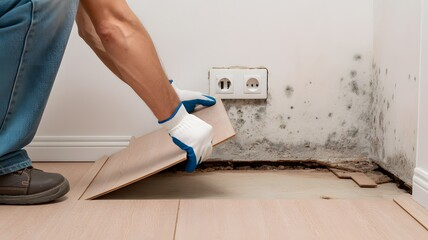
Hidden moisture is a major obstacle for water damage restoration, leading to mold and structural issues if left untreated. Using moisture meters along with thermal imaging cameras helps contractors quickly track and verify the extent of damage, while also helping ensure all drying standards are met. Visit https://www.socomslc.com/ for more details.

Water Extraction Tools

Water extraction is a critical step in restoration work, especially for homes and commercial properties. Standing water spreads quickly and soaks into floors and walls, causing structural damage, odors, and mold growth within twenty-four to forty-eight hours. Professional-grade equipment removes excess water and reduces moisture levels, eliminating these risks and reducing the cost of repair.

Moisture detection tools like infrared thermography cameras help identify hidden pockets of moisture, ensuring thorough inspections and prompt remediation. Drying techniques such as air movers and dehumidifiers accelerate the drying process and ensure wet areas are thoroughly dry before reoccupying. And finally, disinfectants and odor neutralizers reduce residual odors and prevent persistent odors from resurfacing.

When it comes to water damage restoration, the right equipment is non-negotiable. From pumps to moisture meters, thermal imaging cameras, and air movers, these tools are essential for safely and effectively cleaning and restoring properties impacted by flooding, storms, or burst pipes.

But while physical tools are a must, no modern restoration company can function without powerful digital tools as well. From job tracking and equipment management to documenting moisture readings and coordinating field teams, restoration software such as Xcelerate keeps operations running smoothly and efficiently.

Thermal Imaging Cameras

Once an expensive technology reserved for military budgets, thermal imaging cameras have become a common tool used by home inspectors to find leaks, electrical hot spots and insulation problems. They use the same basic technology as visible light cameras but detect invisible infrared radiation instead of light. Thermal cameras use an optical system to focus infrared energy onto a sensor array that has thousands of pixels arranged in a grid. The pixel data is then processed to create a visual image showing the temperature variations in the scene—warmer areas appear in red, cooler areas in blue.

A thermal image may be displayed on the camera’s display or transferred to a computer for further processing. Some models offer IR-Fusion technology that merges a visible-light image with the thermal image for better understanding of problem locations. They also have a variety of additional features, such as voice annotations, recording and streaming capability, customizable resolution and more.

Restoration contractors often use thermal imaging to complement moisture meters and hygrometers. They can use a handheld thermal imager to scan a room for cold or hot spots that indicate mold risk, electrical hazards, and more. This is especially useful in damp rooms where a hygrometer cannot accurately measure humidity or moisture levels.

The FLIR TG267 is a pistol-grip thermal camera designed for user comfort during long inspections. It’s an affordable entry-level model that includes a convenient touchscreen and a durable case, while still providing excellent thermal resolution. It has an MSX-enhanced IR image that makes it easier to identify problem areas and includes an adjustable temperature range, making it ideal for both DIY and professional users alike. Combined with a moisture meter and pin or pinless humidity probes, this is a must-have tool for anyone who works in water damage restoration.

Air Movers

Whether they’re responding to an unexpected water leak or a massive flood, restoration contractors face complex environments that require the right tools. Moisture hides in walls, mold spreads silently, and timelines shrink as documentation demands grow.

To help restore properties quickly and safely, they need powerful air movers to accelerate evaporation and save materials. These high-powered fans move dry air rapidly over wet carpeting, drywall, hardwood floors, and other surfaces, significantly reducing drying times. When used strategically, they create strong air vortexes that ensure thorough coverage of large spaces and hard-to-reach areas.

While household fans can also circulate air, professional restoration air movers are optimized for concentrated and focused airflow. They typically produce higher CFM (cubic feet per minute) and feature rugged designs for heavy-duty work. Some offer daisy chaining, letting multiple units connect on one circuit to maximize energy use. Other features include adjustable speed settings, a stackable design, and impact-resistant ABS plastic or metal housings. Look for a model with a built-in dehumidifier, or pair it with one of the models in TheDryAir Dehumidifier Collection to eliminate moisture from the air.

The right air movers and dehumidifiers work together to speed up drying, prevent mold, and save costly materials. While air movers evaporate surface moisture into the air, dehumidifiers pull it out of the air, lowering humidity levels. They’re a key first step in many restoration jobs, as prolonged exposure to moisture can cause wood and drywall to weaken. Tracking humidity with a hygrometer lets teams adjust air movers and dehumidifiers accordingly. This avoids delays and keeps project schedules on track.

Dehumidifiers

Dehumidifiers are essential for drying water-damaged areas and curbing harmful mold growth. They’re often used during restoration and new construction to protect building materials, speed up dry times, and ensure compliance with industry standards like IICRC S500 and S520.

Humidity is the water content of the air, measured by a hygrometer. It’s a natural process that happens due to evaporation, condensation, and precipitation. However, excess humidity can damage interior wood and drywall by warping or swelling, causing drywall to flake and rot, and allowing mold and mildew to grow in untreated areas.

Water damaged areas need to be dried quickly and thoroughly to avoid structural deterioration, mold and mildew, and other long-term effects. Using household fans or small dehumidifiers can lead to incomplete drying, leaving trapped moisture behind walls and in insulation. Professional restoration companies use specialized equipment and moisture meters to monitor drying progress and ensure every affected area reaches safe moisture levels before repairs or reconstruction begin.

Restoration technicians use high-performance dehumidifiers to eliminate moisture and help homes and commercial properties return to normal. They select units based on their capacity and humidity removal performance, taking into account factors like size, environmental conditions, and material types. Units with a higher vapor pressure (VP) rating deliver more hygrometric capacity and better moisture removal for challenging situations, while portable and stackable designs make them easy to transport and manage on multiple jobs.

The highest humidity levels tend to occur in basements, laundry rooms, and garages. This is because they are typically poorly insulated, and humidity can increase due to leaks, plumbing overflows, exterior weather, and flooding. The best dehumidifiers for these areas have a high VP and moisture removal capacity, as well as an integrated pump to ensure continuous operation overnight and during multi-day projects.

Personal Protective Equipment

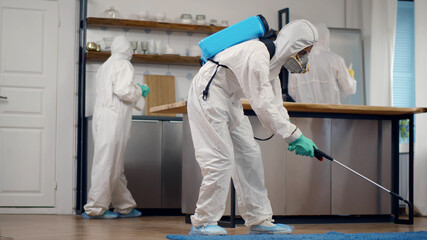
Whether working in water damage restoration, mold remediation, or fire damage repair, proper personal protective equipment is non-negotiable. It protects your team against health and safety hazards, like sewage, smoke residue, and mold spores. And it signals professionalism and a commitment to safety for both clients and insurance partners.

It’s important to be well-versed in the different types of PPE that are available, including both medical and non-medical personal protective equipment. Medical PPE is addressed in specific OSHA standards, while other efforts to manage hazards often fall into the category of non-medical personal protective equipment (PPE).

Non-medical personal protective equipment includes a wide range of clothing, accessories, and gear designed to reduce potential hazards when working in certain conditions that make an individual more likely to experience illness or injury. These include respirators, hard hats, work gloves, and chemical-resistant uniforms.

Moisture meters are one of the most important pieces of equipment for a restoration company. They allow contractors to get immediate data on what’s happening beneath the surface of a structure, and they help avoid mistakes that lead to missed moisture, failed drying, or costly callbacks.

Accurate moisture mapping is essential for any restoration project, and it influences what equipment is deployed, how long the job takes, and what steps are necessary to meet drying standards. It’s also important for client communication and documentation, as well as insurance claim submission.

While physical tools are a must for any restoration contractor, no modern restoration business can thrive without powerful digital tools as well. From tracking equipment to organizing moisture readings, restoration management software helps teams keep projects moving forward, from arrival to closeout. It allows you to track jobs in real time, communicate with clients, and organize your documentation without delay.

Uncategorized

Business Services for Growth and Operational Excellence

Business services form the backbone of modern commerce by providing essential support functions that enable organizations to operate efficiently and remain competitive. From administrative assistance to specialized professional expertise, these services allow companies to focus on their core competencies while ensuring that critical operations run smoothly. Whether for a small startup or a large corporation, business services help streamline processes, reduce costs, and drive long-term success.

business

Understanding Business Services

Business services encompass a broad spectrum of activities designed to support organizations in achieving their goals. They can be internal, delivered by in-house teams, or external, provided by third-party specialists. Common examples include accounting, human resources, information technology, marketing, logistics, and customer support. These functions are essential for keeping operations organized and efficient, allowing business owners and managers to concentrate on innovation and strategic growth.

The key to effective business services is alignment with a company’s objectives. Tailored solutions that address specific needs deliver the greatest value, ensuring that resources are used wisely and outcomes are measurable.

Core Categories of Business Services

While business services vary widely, they can be grouped into several core categories:

  • Administrative Services: These include tasks such as data entry, document management, scheduling, and office support. Streamlining these functions improves productivity and frees up staff to handle more strategic responsibilities.
  • Financial and Accounting Services: Accurate bookkeeping, tax preparation, and financial planning are essential for maintaining compliance and making informed decisions. Professional financial services help businesses manage cash flow, monitor expenses, and plan for growth.
  • Human Resources Services: Recruitment, employee training, benefits administration, and performance management fall under HR services. Outsourcing or optimizing these tasks ensures a well-managed workforce and compliance with labor regulations.
  • Marketing and Advertising Services: Developing strategies to attract and retain customers is vital. Business services in this area may include market research, branding, content creation, and digital marketing campaigns.
  • Information Technology Services: In today’s digital age, IT services are critical for maintaining secure networks, managing data, and implementing new software or hardware. Reliable IT support minimizes downtime and protects sensitive information.
  • Logistics and Supply Chain Services: Efficient movement of goods and materials is a cornerstone of many businesses. Services in this category focus on warehousing, transportation, inventory management, and distribution.

These categories represent just a fraction of what business services can offer. Many organizations also rely on legal support, consultancy, training, and customer service solutions to maintain smooth operations.

Benefits of Business Services

Investing in quality business services provides numerous benefits:

  • Improved Efficiency: Outsourcing or optimizing key functions reduces bottlenecks and allows employees to focus on high-value tasks.
  • Cost Savings: Hiring specialized service providers can be more cost-effective than maintaining full-time in-house teams, particularly for tasks that are seasonal or project-based.
  • Access to Expertise: Business services deliver access to experienced professionals with specialized skills, which can lead to better decision-making and improved outcomes.
  • Scalability: As organizations grow, their operational needs change. Business services make it easier to scale up or down without major disruptions.
  • Enhanced Focus on Core Activities: With support functions handled efficiently, management can devote more attention to innovation, product development, and customer satisfaction.

Customization and Flexibility

One of the hallmarks of modern business services is their flexibility. Providers often offer customizable packages to suit the unique needs of each client. This approach ensures that organizations pay only for what they need and receive solutions tailored to their industry, size, and growth stage.

For example, a new company might outsource payroll processing to save time and reduce errors, while a more established business may invest in full-scale HR management to improve retention and culture. This flexibility allows organizations to adapt quickly to market changes without overcommitting resources.

Technology’s Impact on Business Services

Technological advancements have transformed the delivery of business services. Cloud computing, automation, and artificial intelligence have made processes faster, more accurate, and more cost-effective. Many service providers now offer digital platforms that enable real-time collaboration, reporting, and performance tracking.

For instance, cloud-based accounting systems give business owners instant access to financial data, while automated HR software streamlines recruitment and onboarding. These innovations not only improve efficiency but also provide valuable insights for strategic planning.

Risk Management and Compliance

Many business services play a vital role in managing risk and ensuring regulatory compliance. Financial and legal services help companies navigate complex tax laws, contracts, and industry regulations. IT services focus on cybersecurity to protect sensitive data, while HR services maintain compliance with employment laws and safety standards.

By outsourcing to experienced professionals, organizations reduce their exposure to costly mistakes and legal issues. This proactive approach safeguards reputation and supports sustainable growth.

The Role of Business Services in Customer Satisfaction

Ultimately, the quality of business services affects customer satisfaction. Smooth operations behind the scenes result in better products, faster delivery, and more responsive support. For example, efficient logistics ensure that goods arrive on time, while well-managed IT systems enable seamless online experiences.

Service providers can also directly impact customer engagement through marketing, call center support, and feedback management. By integrating these functions effectively, businesses can build stronger relationships with their audiences.

Choosing the Right Business Service Provider

Selecting the right provider is crucial for maximizing the benefits of business services. Organizations should evaluate potential partners based on experience, expertise, reliability, and cost transparency. Checking references, reading reviews, and requesting detailed proposals can help ensure a good fit.

Clear communication is also essential. Establishing expectations, timelines, and performance metrics upfront sets the stage for a successful partnership. Regular reviews and open feedback help both parties adapt and improve over time.

Sustainability and Ethical Practices

More companies are prioritizing sustainability and ethical practices when selecting business services. Providers that implement eco-friendly operations, fair labor practices, and socially responsible policies can help clients align with these values. This approach not only benefits the environment and society but can also enhance brand reputation and customer loyalty.

Business services are indispensable for organizations seeking to improve efficiency, reduce costs, and achieve long-term success. By offering expertise, technology, and flexible solutions across a wide range of functions, these services allow businesses to focus on their core missions while maintaining smooth and compliant operations. Whether handling administrative tasks, managing finances, or implementing advanced IT systems, business services provide the foundation for growth, innovation, and customer satisfaction in today’s competitive marketplace.

Visit our Professional Services Blogs

Smart Choice Plumbing And Air, Sanitize My Airducts, Bethesda Locksmith, Golden Coast Cleaners, Advanced Concrete Staining, Home Pool Cleaners, Brayhines Septic, Shaka Pool And Spa Cleaning,Mr Clean And Shine, Best Appliance Repair Long Beach, Gulf to Bay Water Remediation, Garage Door San Francisco, Richmond Flooring, Fence Builders Woodlands, Colorado Springs Auto, Fuel Frontlines, Expert 24 Option, Sacramento Roseville Real Estate, SLO Homes, Philadelphia Towing, State Powerwashing, Truck Tires Worldwide, Website Translation, Construction Company Farmington NM, Green Home Los Angeles, Trinity SEO Marketing, Electric Fireplaces, Argos Bookkeeping, Christopherson Drywall,Garage Door Installation, Missouri Personal Injury Lawyer Blog, Alvins Auto Body, Carpet Care Pros, Las Vegas Concrete, Clark Concrete Company, Deck Builders Missour City, Lechleitner Builders, Medical Health Insurance Policy, Royal Siding Windows, Carpet Steam Cleaners Review, Go Greeen Lawn Painting, Oakwood Skate Deck, Texas Home Remodeling And Painting, USA Home Repair Remodeling, Dream Home Remodeling Services, Brent Lawn Homes, Great Ernm Homes, Accelerated Orthodontic, Arctic Cooling And Heating, Baltimore Heating And Airconditioning, Chris Atkins Lawncare, Atticus Landscaping, Treasure Coast Pressure Wash, Gulf Beach Plumbing, Marlborough Plumbing, Guns And Hoses Pressure Washing, Ambrose Construction, Coral Gables Pressure Washing, Willco Photography, Roofing Akron, Danalogsdon Roofing El Cajon, EC Siding Roofing Windows, Aurora Gutter, American Insurance Source, ECO, etdn, Denison Service League,  Roofing Blog, Atlantic Vinyl Windows, Brookshires Fireplaces, JD Advanced Remodeling, Product Judgment, Master Dry Foundation Repair, Moe’s Hip, Elta Patio Paramount, Rock Around The Clock Festival, Learn, Play, Beyond, MoralesT Gardening, Car Window Tinting Perth, Duncan Carpentry, Gatestone Lighting, Mid Missouri Mold Inspections, Stucco Repair Albuquerque, Wausau Siding Hire, Munster Tree Care, Blue Granite Homes, Custom House, CENTRAL OS, Atlanta Pavers, Phillips Law Firm, Brent Ryder MasonryWalker Construction Drywall Division, RJ Law, Caledon Plumbing, DDS Tech USA, Maine Mortgage Services, Inckpen, Seasons at Rose Creek, Cottonwood Place Dental, Cosmetic Laser 2000 

Carpet Cleaning

DIY Carpet Maintenance vs. Professional Carpet Cleaning: What You Need to Know

Carpets are more than just decorative elements in homes and commercial spaces—they play a significant role in creating comfort, reducing noise, and maintaining indoor air quality. However, carpets are also highly susceptible to dirt, dust, stains, allergens, and bacteria, making proper maintenance essential for both appearance and longevity. Property owners often face a choice between performing carpet maintenance themselves or hiring professional Carpet Cleaning Lehi services.

carpet cleaning

While DIY methods may seem cost-effective, they often have limitations that can impact results, efficiency, and long-term carpet health. Understanding the differences between DIY carpet maintenance and professional cleaning is crucial for making informed decisions that protect both your investment and the overall quality of your living or working environment.

DIY carpet maintenance is often the first approach property owners consider. It includes vacuuming, spot cleaning, and occasional steam cleaning with rented or purchased machines. Routine vacuuming is essential to remove surface dirt and prevent the accumulation of dust and debris in carpet fibers. Spot cleaning can address small spills and stains, preventing them from setting permanently. Many homeowners also use over-the-counter carpet shampoos or do-it-yourself steam cleaners to refresh carpets periodically. While these practices are beneficial, they often address only surface-level dirt and minor stains. Deep-seated contaminants, embedded allergens, and microbial growth can remain untouched, potentially affecting air quality and carpet durability over time.

Professional carpet cleaning, on the other hand, provides a comprehensive solution that reaches beyond surface cleaning. Trained technicians use specialized equipment and techniques such as hot water extraction, dry cleaning, or encapsulation to remove deep dirt, bacteria, and allergens from carpet fibers. These methods not only restore the carpet’s appearance but also improve indoor air quality by removing particles that regular vacuuming cannot reach. For businesses and homes with high foot traffic, professional cleaning is particularly valuable because it addresses accumulated grime in a way that DIY methods cannot, ensuring both aesthetics and hygiene are maintained.

One of the primary benefits of professional carpet cleaning is the preservation of carpet integrity. Carpets are often constructed with intricate fibers, adhesives, and padding that can be damaged by improper cleaning methods. Over-wetting, harsh chemicals, or excessive scrubbing during DIY cleaning can weaken fibers, cause shrinkage, or even discolor the carpet. Professional cleaners are trained to assess the material type, level of soiling, and proper cleaning method to ensure maximum effectiveness without causing harm. They can also apply protective treatments, such as carpet sealants or anti-stain solutions, to prolong the life of the carpet and maintain its visual appeal.

Time and efficiency are additional factors that differentiate DIY maintenance from professional services. Homeowners and facility managers often underestimate the time required to thoroughly clean carpets themselves. Deep cleaning an entire residential or commercial space can be labor-intensive and physically demanding, especially in larger areas with heavy foot traffic. Professional teams are equipped with high-powered machines and multiple technicians who can complete the task more quickly and with superior results. This efficiency is particularly important for commercial settings, where downtime or disruption must be minimized to maintain normal operations and client satisfaction.

Cost considerations often influence the choice between DIY and professional carpet cleaning. While DIY maintenance may appear more affordable upfront, hidden costs can accumulate. Equipment rentals, cleaning solutions, and the time spent performing the task can add up, and the risk of damaging the carpet may lead to costly replacements or repairs. In contrast, professional carpet cleaning services, though a larger initial investment, provide reliable results, reduce the risk of long-term damage, and often offer warranties or satisfaction guarantees. In commercial spaces, the potential cost savings from preserving carpet longevity and maintaining a clean, professional appearance often outweigh the expenses of hiring experts.

Enumerating the key differences between DIY carpet maintenance and professional cleaning clarifies the value of each approach:

  1. Effectiveness – DIY methods are effective for surface-level cleaning, while professionals reach deep-seated dirt, allergens, and stains.
  2. Carpet Longevity – Professional cleaning preserves fiber integrity, prevents shrinkage, and reduces wear, whereas DIY cleaning can unintentionally damage carpets.
  3. Time and Convenience – DIY requires significant effort and time, while professionals complete thorough cleaning efficiently.
  4. Health and Hygiene – Professionals remove allergens, bacteria, and dust mites that DIY methods often leave behind, improving indoor air quality.
  5. Cost Efficiency Over Time – Professional maintenance can extend carpet life and reduce replacement costs, balancing the upfront investment with long-term savings.

Another aspect to consider is the type of stains and contaminants present in the carpet. Everyday dirt and minor spills may be adequately handled through DIY methods, but challenging stains such as wine, coffee, pet urine, or high-traffic soil often require professional intervention. Additionally, carpets in commercial environments may accumulate oils, dust, and chemical residues that DIY solutions cannot fully remove. Professional cleaners have access to specialized stain removers and techniques tailored to specific contaminants, ensuring that carpets are not only clean but safe and free from lingering odors or microbial growth.

Allergens and indoor air quality are also critical considerations. Carpets naturally trap dust, pollen, pet dander, and other airborne particles, which can circulate throughout a home or office if not removed effectively. While regular vacuuming reduces surface allergens, professional cleaning targets those trapped within the deeper layers of the carpet. High-efficiency vacuum systems, combined with hot water extraction or other professional methods, remove microscopic particles and improve air quality. This is particularly important for individuals with allergies, asthma, or sensitivities, and for businesses seeking to maintain a healthy environment for employees and clients.

Safety is another factor where professional cleaning has an advantage. DIY cleaning often involves handling chemicals, hot water, or equipment that can be hazardous if not used correctly. Overuse of cleaning solutions or improper rinsing may leave residues that are harmful to children, pets, or staff. Professional carpet cleaners are trained in safe chemical handling, proper dilution techniques, and equipment operation, ensuring that cleaning is effective while minimizing risks. Additionally, professionals can identify and address mold, mildew, or hidden water damage that may have accumulated beneath carpets—issues that DIY methods often overlook.

Maintenance frequency also differs between DIY and professional approaches. While homeowners and office managers can vacuum daily and perform spot cleaning weekly, professional cleaning is recommended at intervals based on foot traffic, occupancy, and carpet type. Residential spaces often benefit from professional cleaning once or twice a year, while high-traffic commercial spaces may require quarterly or even monthly deep cleaning. Following this schedule ensures carpets remain visually appealing, hygienic, and durable over time. Combining routine DIY maintenance with periodic professional services often yields the best results, blending affordability with optimal cleanliness.

Finally, professional carpet cleaning contributes to the overall impression of a property. In commercial spaces, the appearance of carpets directly affects client perception, employee morale, and the sense of professionalism. Clean carpets create an inviting environment, while worn or stained flooring can detract from the image of a business. For homes, professional cleaning restores carpets to their original color and texture, maintaining aesthetic value and comfort. By investing in professional services, property owners protect both functional and visual aspects of their space.

In conclusion, while DIY carpet maintenance provides a useful baseline for everyday cleanliness, it has limitations that professional carpet cleaning effectively addresses. Professional services offer deeper cleaning, improved hygiene, longer carpet lifespan, and greater convenience, especially for high-traffic or heavily soiled areas. They are equipped with specialized tools, safe chemicals, and trained technicians who understand how to restore carpets without causing damage. Combining regular DIY care with periodic professional cleaning often delivers the best outcomes, balancing affordability, efficiency, and long-term results.

Property owners seeking to maintain the beauty, health, and durability of their carpets should consider professional carpet cleaning as an essential part of a maintenance routine. From deep-seated dirt removal and stain mitigation to allergen reduction and fiber protection, professional services provide benefits that extend far beyond what DIY methods can achieve. By investing in expert cleaning, homeowners and business managers ensure that their carpets remain safe, visually appealing, and long-lasting, creating an environment that is both comfortable and professional.

Ultimately, the choice between DIY carpet maintenance and professional cleaning depends on factors such as the type of carpet, level of soiling, health considerations, and time availability. Understanding the limitations of DIY methods and the advantages of professional services allows property owners to make informed decisions that protect their investment, maintain cleanliness, and support overall well-being. In a world where carpets are central to comfort, appearance, and indoor air quality, combining DIY maintenance with expert care is the most effective strategy for achieving long-term results.