Metal Works

Why Are Steel Stairs and Railings a Smart Choice for Residential and Commercial Properties?

metal works

Staircases do much more than connect different levels of a building. They influence the flow of a space, contribute to architectural style, and play an essential role in everyday safety. Among the many materials available, steel has become one of the most popular choices for stairs and railings because it offers exceptional strength, modern aesthetics, and long-lasting performance. Whether installed in a contemporary home, a commercial building, or an industrial facility, Steel Stairs and Railings provide a combination of durability and visual appeal that few other materials can match. Understanding the advantages of steel stairs and railings helps property owners make informed decisions when planning new construction or renovation projects.

What Are Steel Stairs and Railings?

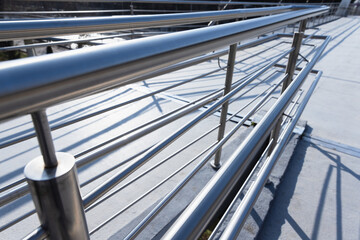
Steel stairs and railings are structural systems fabricated from steel to provide safe access between different levels of a building while offering reliable support and protection. Steel stair systems typically include stringers, treads, landings, and handrails that work together to create a stable and secure staircase. Railings are designed to provide safety by preventing falls while also enhancing the overall appearance of the staircase. Every component is carefully fabricated to meet the specific dimensions and functional requirements of the project. Precision during manufacturing helps ensure both strength and long-term reliability.

Steel can be fabricated into a wide variety of styles, making it suitable for both modern and traditional architecture. Clean lines, decorative details, curved profiles, and custom geometric designs can all be incorporated into steel stair and railing systems. This versatility allows designers and homeowners to create staircases that complement the surrounding space while maintaining exceptional structural performance. Because steel can be customized so easily, it remains one of the most flexible materials for staircase construction. Custom fabrication allows every project to achieve a unique appearance without sacrificing durability.

Why Is Steel a Popular Material for Stairs and Railings?

One of the biggest advantages of steel is its outstanding strength. Steel is capable of supporting substantial loads while maintaining a relatively slim profile compared to many other building materials. This allows designers to create open, elegant staircases that feel spacious without compromising structural stability. Even in high-traffic environments, steel maintains its integrity under continuous daily use. Its strength makes it suitable for residential homes, commercial buildings, offices, and industrial facilities alike.

Steel is also valued for its durability and resistance to everyday wear. Properly fabricated and finished steel can withstand years of use while maintaining both its appearance and structural performance. Protective coatings help resist corrosion, scratches, and environmental exposure, making steel suitable for both indoor and outdoor applications. Unlike some materials that may crack, warp, or deteriorate over time, steel continues providing dependable performance with relatively little maintenance. Its long lifespan often makes it a cost-effective investment.

What Design Options Are Available for Steel Stairs and Railings?

Modern steel staircases often feature minimalist designs that emphasize clean lines and open spaces. Thin steel balusters, floating stair designs, horizontal railings, and simple geometric patterns create a contemporary appearance that complements today’s architectural styles. These designs maximize natural light while creating an open visual flow throughout the interior. The simplicity of modern steel construction allows other design elements within the home to stand out. Contemporary styles remain one of the most requested options for new construction projects.

Steel also works beautifully when combined with other materials. Wood treads paired with steel framing create warmth while preserving structural strength, while glass railing panels supported by steel provide unobstructed views and a sophisticated appearance. Stone, concrete, and decorative finishes can also be integrated into steel stair systems to create unique architectural features. Mixing materials allows homeowners and designers to customize the staircase according to the overall design vision. These combinations provide both visual contrast and practical functionality.

How Do Steel Stairs and Railings Improve Safety?

Safety remains one of the primary reasons for installing professionally designed steel stairs and railings. Strong structural components provide stable support while properly installed handrails help users maintain balance when using the staircase. Consistent tread dimensions, secure railings, and dependable construction all contribute to safer everyday use for people of all ages. A professionally fabricated system minimizes movement and provides confidence when navigating stairs. Reliable structural performance supports long-term safety throughout the building.

Steel railings also provide secure barriers along stairways, balconies, mezzanines, and elevated walkways. Their strength allows them to withstand regular use while maintaining their protective function over many years. Proper fabrication ensures that every connection remains secure and capable of supporting expected loads. Whether installed inside or outside a building, steel railings provide dependable protection without compromising the overall appearance of the property. Durable construction supports both safety and peace of mind.

Where Are Steel Stairs and Railings Commonly Used?

Steel stairs and railings are widely used in residential construction because they complement many different architectural styles. Homeowners often choose steel for interior staircases, entryways, balconies, decks, patios, and outdoor access points where strength and durability are important. Steel provides an attractive appearance while supporting the daily demands of busy households. Its versatility allows it to blend seamlessly with modern, industrial, rustic, or traditional home designs. Custom fabrication ensures every installation fits the unique layout of the property.

Commercial and industrial buildings also rely heavily on steel stairs and railings due to their exceptional structural performance. Office buildings, retail centers, warehouses, manufacturing facilities, schools, and healthcare buildings frequently incorporate steel stair systems that experience high levels of daily foot traffic. These environments require materials capable of maintaining consistent performance while meeting demanding structural requirements. Steel continues to be one of the preferred choices for these applications because of its reliability and longevity.

What Should Property Owners Consider Before Installing Steel Stairs and Railings?

Careful planning is essential before beginning any staircase project. Property owners should evaluate how the staircase will be used, the available space, the surrounding architectural style, and the desired appearance before selecting a design. Considering these factors early allows the staircase to function efficiently while complementing the overall layout of the building. Thoughtful planning also helps ensure the finished installation meets both practical and aesthetic expectations. Every successful project begins with a well-defined design.

Material finishes and long-term maintenance should also be considered during the planning process. Powder-coated finishes, painted surfaces, or protective treatments help preserve the appearance of steel while increasing resistance to environmental conditions and everyday wear. Choosing high-quality finishes reduces future maintenance requirements while extending the lifespan of the installation. Investing in quality fabrication and finishing helps maximize long-term value. Proper preparation contributes to years of dependable performance.

How Can Steel Stairs and Railings Increase Property Value?

Professionally fabricated steel stair systems often become one of the most impressive architectural features within a property. Their clean appearance, structural elegance, and modern design contribute to a strong first impression that enhances the overall appeal of the space. Whether installed in a residential or commercial setting, attractive staircases frequently become memorable focal points that distinguish the property from others. High-quality craftsmanship reflects thoughtful design and careful attention to detail. These improvements often contribute to increased property value.

Steel also provides lasting value because of its durability and minimal maintenance requirements. Property owners benefit from a staircase that continues performing reliably without frequent repairs or replacements. Buyers often appreciate durable building features that combine attractive design with long-term functionality. Investing in steel stairs and railings supports both everyday enjoyment and future resale potential. Long-lasting quality remains one of steel’s greatest advantages.

Final Thoughts

Steel stairs and railings offer an exceptional combination of strength, durability, safety, and architectural style for residential, commercial, and industrial properties. Their versatility allows them to complement a wide range of building designs while providing dependable structural performance for many years. Whether selecting sleek modern profiles, decorative custom fabrication, or mixed-material designs, steel stair systems create functional spaces that are both visually striking and highly reliable. Through careful planning, professional fabrication, quality finishes, and proper installation, steel stairs and railings become lasting investments that enhance the safety, beauty, and value of any property.
Cabinet Refinishing

How Do You Match Refinished Cabinets with Countertops? A Complete Design Guide

Walking into a kitchen where every design element works together creates an immediate sense of comfort and balance. Even if the space is not large or recently renovated, the right combination of cabinet finishes and countertops can make it feel brighter, more modern, and more inviting. Homeowners who choose cabinet refinishing often discover that selecting the right countertop pairing is just as important as choosing the cabinet color itself. A beautiful Cabinet Refinishing Modesto can lose its impact if it clashes with the surrounding surfaces, while a thoughtful combination can completely transform the room. Understanding how to match refinished cabinets with countertops helps homeowners create a kitchen that feels timeless, functional, and visually cohesive without replacing every feature in the space.

Why Is It Important to Match Cabinets and Countertops?

Cabinet Refinishing

Cabinets and countertops occupy most of the visual space in a kitchen, making them the two design elements that attract the most attention. Even when flooring, lighting, and decorative accessories are carefully selected, mismatched cabinets and countertops can make the room feel disconnected. Creating harmony between these surfaces helps establish a balanced appearance that makes the kitchen feel more polished and intentional. A coordinated design also allows smaller details, such as backsplashes and hardware, to complement the overall aesthetic rather than compete with it.

Matching does not necessarily mean choosing identical colors or materials. Instead, successful kitchen design often relies on creating contrast while maintaining visual balance. Cabinets and countertops should complement each other in tone, texture, and style so neither surface overwhelms the other. When these elements work together, the kitchen appears more spacious and organized. This thoughtful coordination contributes to both everyday enjoyment and long-term visual appeal.

How Should You Choose a Cabinet Color Based on Your Countertops?

If the countertops will remain in place during a refinishing project, they should serve as the starting point for selecting the cabinet finish. Countertops often contain a mixture of colors, patterns, and natural variations that influence the overall color palette of the kitchen. Choosing a cabinet color that complements these existing tones creates a more unified appearance. Neutral countertops provide greater flexibility because they coordinate easily with both light and dark cabinet finishes. Studying the subtle undertones within the countertop material helps guide cabinet color selection.

Lighter countertops often pair well with both light and dark cabinets depending on the atmosphere the homeowner wants to create. Light cabinets combined with light countertops produce an open, airy appearance that works especially well in smaller kitchens. Darker cabinet finishes paired with lighter countertops create stronger visual contrast while maintaining brightness throughout the room. The goal is to achieve balance rather than allowing one surface to dominate the overall design. Careful color coordination helps the kitchen feel cohesive and welcoming.

How Do Warm and Cool Tones Affect the Overall Design?

Every color contains either warm or cool undertones that influence how different materials appear together. Warm cabinet colors often include creamy whites, soft beige, warm gray, natural wood tones, and earthy finishes that create a comfortable and inviting atmosphere. These colors frequently pair well with countertops containing warm veining or subtle golden accents. Maintaining similar undertones throughout the kitchen helps create a sense of continuity that feels natural and visually pleasing. Consistency in undertones often makes the space feel professionally designed.

Cool tones offer a different design approach while still providing excellent flexibility. Bright whites, charcoal grays, soft blues, and cooler neutral shades create a clean, contemporary appearance that complements countertops featuring gray, black, or white patterns. Mixing warm and cool tones is possible, but it requires careful planning to avoid visual conflict. Understanding the temperature of both the cabinet finish and the countertop material helps homeowners make more confident design decisions. Balanced color relationships contribute to a timeless kitchen rather than one influenced by short-lived trends.

Should Cabinets and Countertops Match Exactly?

Many homeowners assume cabinets and countertops should be the same color to create a coordinated kitchen, but identical finishes often reduce visual interest. A slight contrast between the two surfaces usually creates greater depth while allowing each feature to stand out appropriately. For example, light cabinets paired with medium toned countertops or darker cabinets combined with bright countertops often produce attractive results because each surface highlights the other. Contrast helps define different areas of the kitchen while maintaining an overall sense of harmony.

Texture also contributes to successful coordination. Smooth cabinet finishes pair well with countertops that contain natural movement or subtle patterns because they create visual variety without becoming overwhelming. Similarly, simple countertops often complement cabinets with decorative details or distinctive hardware. Rather than focusing on perfect color matching, homeowners should consider how every surface contributes to the overall appearance of the room. A balanced combination creates a kitchen that feels both sophisticated and comfortable.

How Do Lighting Conditions Affect Cabinet and Countertop Colors?

Lighting has a significant influence on how cabinet finishes and countertops appear throughout the day. Natural daylight often reveals color undertones that may not be noticeable under artificial lighting. A cabinet color that appears warm during the afternoon may seem much cooler in the evening depending on the type of lighting installed in the kitchen. Observing color samples under different lighting conditions helps homeowners make more informed decisions before refinishing begins. This extra step reduces the likelihood of unexpected surprises after the project is complete.

Artificial lighting also plays an important role in the final appearance of the kitchen. Warm lighting generally enhances creamy whites, natural wood tones, and soft earth colors, while cooler lighting tends to emphasize gray and blue undertones. The amount of available light influences whether darker cabinet colors feel dramatic or overly heavy within the space. Homeowners should evaluate cabinet and countertop combinations under the lighting conditions they experience every day. Careful consideration of lighting helps create a more satisfying finished result.

How Can Hardware and Backsplashes Bring Everything Together?

Cabinet hardware serves as an important transition between refinished cabinets and surrounding kitchen features. Handles and knobs should complement both the cabinet finish and the countertop without drawing unnecessary attention away from either. The finish selected for the hardware often reinforces the overall style of the kitchen, whether the design leans toward traditional, transitional, or contemporary. Coordinating hardware with other fixtures throughout the room creates a consistent appearance that enhances the overall design. Small details often have a surprisingly large impact.

Backsplashes also help unify cabinets and countertops by connecting their colors and textures visually. A backsplash that incorporates subtle tones from both surfaces creates continuity while adding personality to the kitchen. Even simple materials can effectively bridge contrasting cabinet and countertop combinations when selected thoughtfully. The backsplash should support the overall design rather than compete with the room’s primary features. Together, hardware and backsplashes help complete a cohesive and well-balanced kitchen.

How Can Homeowners Create a Timeless Kitchen Design?

Choosing classic color combinations often helps kitchens remain attractive even as design trends change. Neutral cabinet finishes paired with complementary countertops provide flexibility for future updates involving paint colors, lighting, flooring, or decorative accessories. Rather than selecting finishes based solely on current trends, homeowners should consider combinations that continue feeling fresh over many years. Timeless design emphasizes balance, simplicity, and quality rather than short-term popularity. Cabinet refinishing offers an opportunity to create a kitchen that remains visually appealing for the long term.

Functionality should receive equal attention during the design process. Cabinet colors should complement the overall layout while supporting the way the kitchen is used every day. Countertop selections should balance appearance with durability and maintenance preferences. When practical considerations are combined with thoughtful design coordination, homeowners create kitchens that are both beautiful and comfortable to live in. A well-planned refinishing project improves the room’s appearance while adding lasting value to the home.

Final Thoughts

Matching refinished cabinets with countertops is about creating balance rather than achieving perfect color duplication. By considering undertones, contrast, lighting, texture, and surrounding design elements, homeowners can create a kitchen that feels cohesive, inviting, and timeless. Cabinet refinishing provides an excellent opportunity to refresh the appearance of the kitchen while making the most of existing countertops or preparing for future updates. Thoughtful planning allows every design element to work together, resulting in a space that combines beauty with everyday functionality. When cabinets and countertops complement one another successfully, the entire kitchen feels brighter, more organized, and better suited to serve as the heart of the home for years to come.