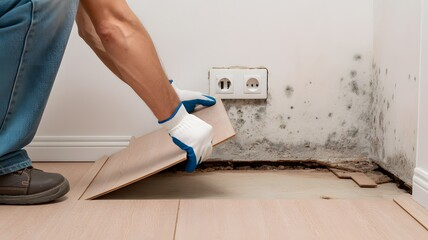
From moisture meters to management software, restoration contractors need a suite of tools that supports effective work. Whether you’re a solo contractor growing your client list or a large restoration company managing multiple projects at once, having the right tools in place keeps work moving smoothly.
Hidden moisture is a major obstacle for water damage restoration, leading to mold and structural issues if left untreated. Using moisture meters along with thermal imaging cameras helps contractors quickly track and verify the extent of damage, while also helping ensure all drying standards are met. Visit https://www.socomslc.com/ for more details.
Water Extraction Tools
Water extraction is a critical step in restoration work, especially for homes and commercial properties. Standing water spreads quickly and soaks into floors and walls, causing structural damage, odors, and mold growth within twenty-four to forty-eight hours. Professional-grade equipment removes excess water and reduces moisture levels, eliminating these risks and reducing the cost of repair.
Moisture detection tools like infrared thermography cameras help identify hidden pockets of moisture, ensuring thorough inspections and prompt remediation. Drying techniques such as air movers and dehumidifiers accelerate the drying process and ensure wet areas are thoroughly dry before reoccupying. And finally, disinfectants and odor neutralizers reduce residual odors and prevent persistent odors from resurfacing.
When it comes to water damage restoration, the right equipment is non-negotiable. From pumps to moisture meters, thermal imaging cameras, and air movers, these tools are essential for safely and effectively cleaning and restoring properties impacted by flooding, storms, or burst pipes.
But while physical tools are a must, no modern restoration company can function without powerful digital tools as well. From job tracking and equipment management to documenting moisture readings and coordinating field teams, restoration software such as Xcelerate keeps operations running smoothly and efficiently.
Thermal Imaging Cameras
Once an expensive technology reserved for military budgets, thermal imaging cameras have become a common tool used by home inspectors to find leaks, electrical hot spots and insulation problems. They use the same basic technology as visible light cameras but detect invisible infrared radiation instead of light. Thermal cameras use an optical system to focus infrared energy onto a sensor array that has thousands of pixels arranged in a grid. The pixel data is then processed to create a visual image showing the temperature variations in the scene—warmer areas appear in red, cooler areas in blue.
A thermal image may be displayed on the camera’s display or transferred to a computer for further processing. Some models offer IR-Fusion technology that merges a visible-light image with the thermal image for better understanding of problem locations. They also have a variety of additional features, such as voice annotations, recording and streaming capability, customizable resolution and more.
Restoration contractors often use thermal imaging to complement moisture meters and hygrometers. They can use a handheld thermal imager to scan a room for cold or hot spots that indicate mold risk, electrical hazards, and more. This is especially useful in damp rooms where a hygrometer cannot accurately measure humidity or moisture levels.
The FLIR TG267 is a pistol-grip thermal camera designed for user comfort during long inspections. It’s an affordable entry-level model that includes a convenient touchscreen and a durable case, while still providing excellent thermal resolution. It has an MSX-enhanced IR image that makes it easier to identify problem areas and includes an adjustable temperature range, making it ideal for both DIY and professional users alike. Combined with a moisture meter and pin or pinless humidity probes, this is a must-have tool for anyone who works in water damage restoration.
Air Movers
Whether they’re responding to an unexpected water leak or a massive flood, restoration contractors face complex environments that require the right tools. Moisture hides in walls, mold spreads silently, and timelines shrink as documentation demands grow.
To help restore properties quickly and safely, they need powerful air movers to accelerate evaporation and save materials. These high-powered fans move dry air rapidly over wet carpeting, drywall, hardwood floors, and other surfaces, significantly reducing drying times. When used strategically, they create strong air vortexes that ensure thorough coverage of large spaces and hard-to-reach areas.
While household fans can also circulate air, professional restoration air movers are optimized for concentrated and focused airflow. They typically produce higher CFM (cubic feet per minute) and feature rugged designs for heavy-duty work. Some offer daisy chaining, letting multiple units connect on one circuit to maximize energy use. Other features include adjustable speed settings, a stackable design, and impact-resistant ABS plastic or metal housings. Look for a model with a built-in dehumidifier, or pair it with one of the models in TheDryAir Dehumidifier Collection to eliminate moisture from the air.
The right air movers and dehumidifiers work together to speed up drying, prevent mold, and save costly materials. While air movers evaporate surface moisture into the air, dehumidifiers pull it out of the air, lowering humidity levels. They’re a key first step in many restoration jobs, as prolonged exposure to moisture can cause wood and drywall to weaken. Tracking humidity with a hygrometer lets teams adjust air movers and dehumidifiers accordingly. This avoids delays and keeps project schedules on track.
Dehumidifiers
Dehumidifiers are essential for drying water-damaged areas and curbing harmful mold growth. They’re often used during restoration and new construction to protect building materials, speed up dry times, and ensure compliance with industry standards like IICRC S500 and S520.
Humidity is the water content of the air, measured by a hygrometer. It’s a natural process that happens due to evaporation, condensation, and precipitation. However, excess humidity can damage interior wood and drywall by warping or swelling, causing drywall to flake and rot, and allowing mold and mildew to grow in untreated areas.
Water damaged areas need to be dried quickly and thoroughly to avoid structural deterioration, mold and mildew, and other long-term effects. Using household fans or small dehumidifiers can lead to incomplete drying, leaving trapped moisture behind walls and in insulation. Professional restoration companies use specialized equipment and moisture meters to monitor drying progress and ensure every affected area reaches safe moisture levels before repairs or reconstruction begin.
Restoration technicians use high-performance dehumidifiers to eliminate moisture and help homes and commercial properties return to normal. They select units based on their capacity and humidity removal performance, taking into account factors like size, environmental conditions, and material types. Units with a higher vapor pressure (VP) rating deliver more hygrometric capacity and better moisture removal for challenging situations, while portable and stackable designs make them easy to transport and manage on multiple jobs.
The highest humidity levels tend to occur in basements, laundry rooms, and garages. This is because they are typically poorly insulated, and humidity can increase due to leaks, plumbing overflows, exterior weather, and flooding. The best dehumidifiers for these areas have a high VP and moisture removal capacity, as well as an integrated pump to ensure continuous operation overnight and during multi-day projects.
Personal Protective Equipment
Whether working in water damage restoration, mold remediation, or fire damage repair, proper personal protective equipment is non-negotiable. It protects your team against health and safety hazards, like sewage, smoke residue, and mold spores. And it signals professionalism and a commitment to safety for both clients and insurance partners.
It’s important to be well-versed in the different types of PPE that are available, including both medical and non-medical personal protective equipment. Medical PPE is addressed in specific OSHA standards, while other efforts to manage hazards often fall into the category of non-medical personal protective equipment (PPE).
Non-medical personal protective equipment includes a wide range of clothing, accessories, and gear designed to reduce potential hazards when working in certain conditions that make an individual more likely to experience illness or injury. These include respirators, hard hats, work gloves, and chemical-resistant uniforms.
Moisture meters are one of the most important pieces of equipment for a restoration company. They allow contractors to get immediate data on what’s happening beneath the surface of a structure, and they help avoid mistakes that lead to missed moisture, failed drying, or costly callbacks.
Accurate moisture mapping is essential for any restoration project, and it influences what equipment is deployed, how long the job takes, and what steps are necessary to meet drying standards. It’s also important for client communication and documentation, as well as insurance claim submission.
While physical tools are a must for any restoration contractor, no modern restoration business can thrive without powerful digital tools as well. From tracking equipment to organizing moisture readings, restoration management software helps teams keep projects moving forward, from arrival to closeout. It allows you to track jobs in real time, communicate with clients, and organize your documentation without delay.